Not in our own words, but in outside records and in the words of our families.
Published · Last updated
It is not easy for someone overseas to trust a Japanese kennel they have never visited. If we say, "We are a good kennel," those are only our own words. So we have built this page not from our words, but from records issued by outside organizations and from what our customers wrote themselves. In order, we show you, just as recorded, where our kennel came from, what outside organizations have recognized, and how the puppies we sent out are living in their new homes.
At a glance
- Kennel
- Sesshu Hozanso (Takatsuki, Osaka). In the 1960s, the founder, Masanobu Nishiyama, began helping to keep small Shiba going; in the 1970s he opened a kennel raising only Mame Shiba. Three generations: my grandmother, my father and me
- Breed recognition
- On November 1, 2008, KC Japan (The Kennel Club of Japan) recognized the Mame Shiba as a breed. Its introduction to the breed names my father as the one who carried on the breeding of the Mame Shiba
- Champions in Japan
- Father and daughter, two generations of KC Japan Champions: Genta (No. 1323) and his daughter Satsuki (No. 1324), listed side by side in the summer 2015 gazette. Several other champions too
- Champion abroad
- Chibi, born at our kennel (January 2025), received the titles Hungária Champion (July) and Hungária Grand Champion (October) in 2026 from the Hungarian Kennel Club (MEOESZ, an FCI member). Derby Winner
- Before they leave us
- Until they are over three months old, puppies grow up in our kennel's nursery, in a pack that includes adult dogs. Every day we teach them to use a pee pad, not to bite hands, and to stay calm when held
- Puppies we send out
- About 100 to 120 a year (it varies), mostly to families in Japan, and to families in North America, Europe, the Middle East and Asia
- What families say
- 134 Google reviews, average 4.8 (as of September 28, 2026). No one-star or two-star reviews
Our history: what my father set out to protect
At our kennel, the way we raise dogs has been handed down over three generations: my grandmother, my father, and me. There were dogs in our home from my grandmother's time; my father carried that on, and for as long as I can remember I grew up with dogs both inside and outside the house.
The founder of this kennel, my father, Masanobu Nishiyama, began breeding Mame Shiba in the 1960s, after meeting an exceptionally small Shiba and being captivated by it. It began with helping to keep small Shiba going at Taruiso, the kennel nearest to us and the one we were closest to. The owner of Taruiso was getting on in years, and my father feared that the small line would die out.
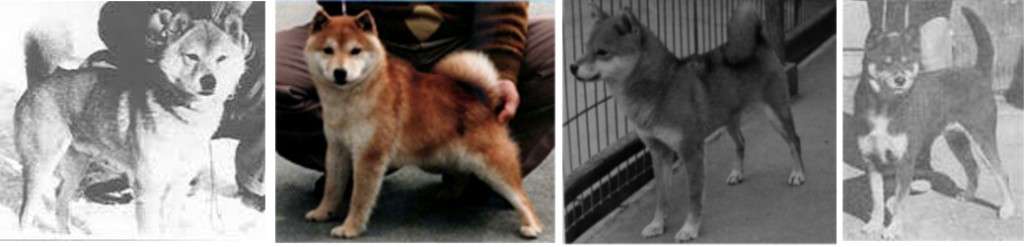
Why did small Shiba need protecting? Let me tell you a little of the Shiba Inu's history. Efforts to protect Japanese dogs began in 1928, when the Nihon Ken Hozonkai (NIPPO) was founded. In 1934 the Shiba Inu standard was set, and in 1936 the Shiba Inu was designated a Natural Monument of Japan. Even so, food shortages during the Second World War and outbreaks of disease after the war brought the Shiba Inu close to extinction. From the few lines that survived, through the devoted efforts of preservation groups and dedicated people across Japan, the Shiba Inu recovered its numbers.
But in the process of recovering their numbers, a single size range became the yardstick. The Shiba of that time varied a great deal in size: there were Shiba larger than the standard, and many small Shiba around 30 cm (12 in) tall. Neither fit the newly set range, so both were dropped from breeding. As a result, the natural variety in the Shiba Inu's size shrank greatly.
It is now almost a century since efforts to protect Japanese dogs began. Among the dogs we have seen ourselves, there are still Shiba over 40 cm (15.7 in) tall and over 20 kg (44 lb) in weight. That is proof that this variety was never truly lost, only set aside.
While variety in size was being sacrificed in the name of recovering numbers, our kennel chose a different path: protecting the small Shiba. Today the name "Mame Shiba" is widely known, but in Japan before the war, small Shiba are said to have been fondly called "Koshiba" (little Shiba) or "Shakushiba" (one-foot Shiba), and to have been an essential part of life in farming villages.
When he started this work, my father traveled all over Japan to meet the people who had fought to protect the Shiba Inu and hear their stories in person. He searched for truly small Shiba and did everything he could to protect the small Shiba that others had kept. In the 1970s he opened his own kennel, Sesshu Hozanso, and chose to raise only Mame Shiba. From before I started elementary school, he took me along to kennels across Japan, looking for dogs with good looks and good build that had never won a prize just because they were small, and bringing them home one at a time. The ancestors of our dogs include dogs that came to us in this way from all over Japan.
My father did not choose by size alone. He carefully examined everything he could check with his own eyes: bone structure, body shape, coat quality, loyalty to people, and even the bloodlines of the parents and grandparents. After this careful assessment, he chose and carried on only the lines that reliably produced small puppies generation after generation.
It took a sharp eye. Even if a puppy looks small, if its parents are large, the genes for size can suddenly reappear in the next generation. Patience and strictness were everything.

About 45 years ago, when I was in elementary school, our kennel reached a turning point. Ran, a Mame Shiba my father treasured, disappeared from our yard one autumn. We put up notices on utility poles, but could not find Ran. About a year and a half later, after we had moved, an elderly woman from our old neighborhood called us: "I think it's the dog you used to have. It's wandering around here." We rushed over by bicycle and called Ran's name, and Ran came along the path between the rice fields, step by step as if making sure, and then ran to us. Covered in mud, Ran had come back on foot, all alone. After that, my father decided he could no longer keep such precious Mame Shiba outside, and began raising our dogs indoors. Ran, who had barked outside, stopped barking completely indoors. That is when our dogs began growing up inside the house from puppyhood and leaving us as dogs ready to live with a family.
Over many years, we built up healthy lines that do not grow big even when fed well, and on November 1, 2008, KC Japan (The Kennel Club of Japan) recognized the Mame Shiba as a breed of its own. KC Japan's English introduction to the Mame Shiba names my father as the one who carried on the breeding of the Mame Shiba. Small Shiba had always existed. What we did was protect them, add one more category within the Shiba Inu, the small size, and have it recognized. That was not our achievement alone. We stand on the shoulders of the people across Japan who kept small Shiba going, and of the dogs that disappeared without a name.
After my father passed away, I took over the kennel. Between the two of us, my father and I have raised and sent out more than 5,000 Mame Shiba. Today, the number of puppies that leave our kennel each year varies, but it is about 100 to 120. Our parent dogs live with us inside the kennel house, and our staff look after them every day. We have also sent puppies to families in North America, Europe, the Middle East and Asia. I handle every inquiry and puppy introduction myself, and when families visit us in Japan, Miwako, who looks after our overseas families, shows them around the kennel and explains how to raise their puppy in English. Today, as Japan's oldest Mame Shiba kennel, raising only Mame Shiba, we continue to protect what was nearly lost.
- 1960sMy father, Masanobu Nishiyama, begins helping to keep small Shiba going at Taruiso
- 1970sHe opens Sesshu Hozanso, raising only Mame Shiba
- About 45 years agoRan comes home; we begin raising our dogs indoors
- November 1, 2008KC Japan recognizes the Mame Shiba as a breed
- 2015KC Japan's gazette lists father and daughter champions Genta and Satsuki
- July 19, 2026Chibi becomes a Hungária Champion
- October 11, 2026Chibi becomes a Hungária Grand Champion and Derby Winner
Recognized by others: dog shows in Japan
It is the judges at dog shows, not us, who have decided that our dogs are more than just small. It is easy to say your own dog is good. Believing that being judged by the eyes of independent judges is the best way to raise the quality of our dogs, we have kept entering our dogs in dog shows. KC Japan shows are, as a rule, "owner handling," where the owner leads the dog on the leash. Becoming a champion takes more than one show: points must be built up at several shows, under different judges.
In summer 2015, our dogs appeared side by side, father and daughter, in the notice of new champions in KC Japan's magazine, Partner Dog. The father was Genta (registered name Komidori Gentamaru of Sesshu Hozanso, male, born October 20, 2010, Champion No. 1323), and the daughter was Satsuki (registered name Kosatsukihime of Sesshu Hozanso, female, born June 17, 2013, No. 1324). The magazine lists, for each dog, the shows entered, the names of the judges and the points won. Satsuki is also the Mame Shiba in the size comparison on our English home page and on our "Size and bloodlines" page.


Several more of our dogs have become KC Japan champions. Their champion certificates hang at our kennel, along with the trophies and rosettes they won at shows.
Let me also tell you about one dog we have kept at the kennel, Chihirohime (Chihiro). Chihiro was entered in her first dog show at under seven months old (204 days). In the main judging she was in the puppy class, entered to gain experience, and did not place. On the same day, separate from the main judging, there was an "Idol Match Show," a contest of cuteness. Entered among Toy Poodles and Chihuahuas, Chihiro won the Grand Prix and the "Yamato Nadeshiko" prize. It was our kennel's second Grand Prix in two years. Chihiro went on to build up points at shows and became a champion.
Chapter 03Recognized by others: overseas
In 2026, a Mame Shiba born at our kennel became a champion in Hungary. His name is Chibi, a male born on January 17, 2025. He now lives in Hungary with the family of Csaba and Bernadett. Chibi kept winning at dog shows in Hungary from summer to autumn 2026, and received certificates from the Hungarian Kennel Club (MEOESZ, a member of the international federation FCI): Hungária Champion dated July 19 (certificate No. TIRR-CH-54123), and Hungária Grand Champion dated October 11 (TIRR-CH-55910).
He was shown seven times: in Pápa (June 28), Sárvár (three days, July 16 to 18) and Komárom (three days, October 9 to 11). The judge was different each time, and all seven times he received Excellent 1, CAC and BOB (Best of Breed). The "Derby" on October 11 is open only to dogs born the previous year: a once-in-a-lifetime chance. That day Chibi was named Derby Winner, and then Best Derby Winner.
Because the FCI does not yet recognize the Mame Shiba as a separate breed, Chibi was shown in the section for breeds not recognized by the FCI. The judges were different every time, and the certificates were issued by Hungary's official kennel club. Many judges overseas have recognized that our Mame Shiba are not just small dogs, but have the look and build of a true Shiba. You can see the judging sheets and the certificates, just as they are, on Chibi's page.


Bernadett, who welcomed Chibi into her family, wrote this in a Google review.
Chapter 04From the very beginning, the breeder was kind, helpful, and supportive. They patiently answered all of our questions. Our puppy, Chibi, has safely arrived from Japan to Europe and is now happily settling into his new home. He’s absolutely fantastic – very smart, calm, well-balanced, and clearly well-socialized. The breeder handled the transportation and all the paperwork professionally – everything went smoothly and safely. We would also like to mention that the team working with the breeder at the kennel is equally kind, caring and truly animal-centered.😊 I warmly recommend this breeder to anyone looking for a kennel in Japan, whether you’re local or planning to bring a puppy abroad. Thank you so much!🙏
Bernadett K., Hungary · August 2025 · Google review
How the puppies we sent out are living
We do not fix problems after they start; we raise puppies who will not start them, before they leave us
Reading English forums and videos through translation, I keep coming across comments about the Shiba Inu like these: "Nothing we try in training works." "He's too stubborn to train." "We can't stop the biting. We have no choice but to give the dog up." In recent years, the Shiba Inu has come to be called, all over the world, a breed prone to behavior problems and unsuited to first-time owners. I had been glad that Japanese dogs were popular around the world, and when I learned that this was happening again and again behind that popularity, I was lost for words. A Shiba rescue group in New York also writes that most requests to give up a Shiba come at around 18 months to three years of age, when behavior problems tend to appear, and that many of those problems could have been fixed if dealt with early.
My approach is not to fix problems after they happen, but to act first so they do not happen. I believe a great doctor is not one who operates, but the local doctor who prevents illness before it starts. Most problems such as biting, barking and not learning where to toilet have their roots in a puppy's first few months. That is why we do not leave those months to the family; we take them on at our kennel.
At our kennel, we do not send puppies home until they are over three months old. Once weaned, puppies live 24 hours a day in our kennel's "puppy nursery," in a pack that includes adult dogs. The boss of the pack is Takara, our kennel's senior dog. A puppy that bites too hard is corrected by its mother or an older dog, and in play with littermates it learns how hard to bite. The sound of the vacuum cleaner and the hair dryer, being held by adults and children who visit, greeting calm adult dogs: they build up these experiences, taught by dogs rather than by people. On top of that, professional trainers and staff teach three things every day: to toilet on a pee pad, not to bite people's hands, and to stay calm when held. On handover day, we show the family their puppy toileting right in front of them, and then explain how to raise it. We also explain how much the very first time matters at home, such as not responding if the puppy cries on its first night, and not letting it on the sofa on the first day.
The results are written not by us, but by the families who welcomed our puppies. We reread the 109 of our 134 Google reviews that include written comments. Of the 41 that mention toileting, 37 said the puppy used the toilet at home from the first day or within a few days. One said it was still not going well; one said the puppy had accidents on a rug at first but got it right once the rug was changed; the other two were about visits or consultations. Fourteen said the puppy does not bite, and thirteen that it does not bark. Used the pee pad from the first day, cried only on the first night, no nipping and no needless barking: these words have been written the same way, year after year, by family after family. It is not that we are special. It is that we build the foundation for living with people at our kennel, while the puppies are still young, before we send them out.
By good fortune, we welcomed our second Mame Shiba from Sesshu Hozanso. Their training is honestly astonishing. If we do the toilet training the way they taught us, our dogs almost never make a mistake. Above all, it is a real help that they never nip and never bark for no reason. Both dogs also listen well to people and have calm personalities. It almost seems a mystery how their education before handover can produce dogs like this. Both before and after we brought them home, they taught us everything carefully, from how to approach a dog to how much to feed, so we could welcome them and live with them with peace of mind. They are small Mame Shiba, but they run around full of energy and are growing up healthy. Whenever we visit the kennel, we can really feel the staff's love for the Mame Shiba. It is a place where you feel grateful not only for meeting a precious new family member, but also for meeting the staff. I hope many people will meet a wonderful new family member here.
ご縁あって摂州宝山荘から2匹目の豆柴をお迎えさせていただきました。とにかく躾に関しては驚くくらいです。トイレも教えていただいたようにすればほとんど間違えません。甘噛み、無駄吠えを決してしないところは何より本当に助かります。また、2匹ともに人の言うことをしっかり聞き、穏やかな性格です。引き渡しまでの教育をどのようにしたらこんな犬に育つのか?不思議なくらいです。また、お迎えまでも、お迎え後も犬との向き合い方から食事量などなど一から十まで丁寧に教えていただけるので安心してお迎えでき一緒に暮らすことができます。小さい豆柴ですが、元気に走り回り健康に育ってくれています。犬舎に伺うと、いつもスタッフの方々の豆柴たちに対する愛情をひしひしと感じます。新しい大事な家族と出会えたことはもちろんですが、スタッフの方々に出会えたことにも感謝できるような、そんな施設です。たくさんの方がここで素敵な家族と出会えたらいいなと思います。
M. H., Japan · May 2023 · Google review (translated from Japanese)
It has been almost two weeks since we welcomed our Mame Shiba. We can clearly tell that, while receiving plenty of love, the puppy was also properly educated. No nipping, no needless barking, and yet a puppy who loves cuddles and loves to play. We were also grateful for the careful guidance for owners on pickup day. On the first night at home the puppy cried, but when we did as we had been taught, it stopped completely the next day. After we got home, they also replied carefully to our emails asking what to do. We felt the aftercare was thorough too. We are so glad we welcomed our puppy from Sesshu Hozanso. It must be sad for the staff when a sweet puppy leaves their hands, but our whole family will raise this puppy with all our love. Once things settle down, we would like to bring the puppy home for a visit. Thank you so much, and we look forward to staying in touch.
豆柴を迎え、もうすぐ2週間が経ちます。たっぷりと愛情をもらいながらも、しっかりと教育してもらえていたことが、よく伝わってきます。甘噛みもせず、無駄に吠えることもなく、それでいて甘え上手で遊び上手な子です。引き取りの日の飼い主への丁寧な指導も有り難かったです。迎え入れた初日は夜鳴きがありましたが、指導していただいた通りにすると、次の日にはピタリとなくなりました。自宅に帰ってから、どうしたらいいのかの相談メールにも、丁寧な返信をいただきました。アフターケアもしっかりしていると感じました。摂州宝山荘でお迎えできてよかったです。可愛い子が手から離れていくのは、スタッフの方々にとって寂しいものだと思いますが、家族全員の愛情をたっぷりと注いで育てていきます。落ち着いたら里帰りしたいと思います。本当にありがとうございました。今後ともよろしくお願いします。
N. T., Japan · July 2023 · Google review (translated from Japanese)
In early March we welcomed a black Mame Shiba. Our puppy is now seven months old and weighs 3.5 kg! It was my first time having a dog, and I live alone. When I visited, we talked about many things, and after a lot of thought I decided to bring the puppy home. The puppy I welcomed was so cute and so clever, already toilet-trained, with no needless barking and no nipping! But because I was inexperienced as an owner, the puppy gradually started biting and barking... I read things online and felt so down I almost cried, but they gave me advice again and again! Since they raise only Mame Shiba, their advice is spot on! Thank you so much! Our puppy toilets at home, so we don't have to go for walks on rainy days 👌 Because they raise the puppies with love, the puppies are healthy and cute! At first the puppy was not keen on food, but now eats so fast that I switched to a slow-feeder bowl! It doesn't end when you buy the puppy; their aftercare is thorough too, so you can feel how deeply they love their puppies, and being able to talk to them about worries after bringing the puppy home was really reassuring. I recommend this kennel to anyone getting a dog for the first time.
3月初旬に黒豆柴をお迎えさせていただきました。今は7カ月、3.5㌔になりました!わんこを飼うのも初めてで、一人暮らし…見学させていただいた時に色々とお話させてもらって、悩んだ挙句お迎えする事に。お迎えした子はとーっても可愛くてお利口さんでトイトレも出来て、無駄吠え甘噛みなし!ですが飼い主が拙くだんだん噛むし吠えるし…ネットで見て落ち込み泣きそうになりましたが、その時にも何度もアドバイス頂きました!やっぱり豆柴だけを育ててる方達なので適切なアドバイス!本当にありがとうございます!トイレはお家でしてくれるので雨の日にお散歩行かなくても大丈夫👌愛情こめて育ててるので仔犬も健康で可愛い!食事が意欲的ではなかった子ですが、今では早食い防止の食器に変えるほどです!飼っておしまい、ではなくてアフターケアもしっかりされてるので仔犬への愛情深さ感じますし、お迎えした後の悩みも相談出来て本当に心強かったです。初めて飼う方はこちらを検討する事をオススメします。
K. S., Japan · June 2024 · Google review (translated from Japanese)
Across the sea, in a new home
For families overseas, we take on the puppy's transport and the paperwork that has to be done in Japan. When families visit us in Japan, we show them the whole kennel and explain in English how to raise their puppy. Here is how families who welcomed puppies from overseas, and a Japanese family who took their dog abroad for work, describe it.
They take such wonderful care with the dogs. And they very carefully explained all the aspects of taking care of the dog. They have excellent English speaking staff. The master was so gentle with the dogs I knew I would get an animal that had been given love since birth. As a special treat they gave me photos of when Hamlet ( my dog ) was born and when he first opened his eyes. A very special place.
Deidre O. · November 2024 · Google review
We had a lovely experience visiting and learning about Mameshiba. So much so, we brought a lovely puppy back home with us. Miwako and Tomo san are wonderful people who are passionate about the dogs they care for. They were incredibly helpful throughout the process and I couldn't be more grateful. At the end, we came home not only with our new baby but a ton of toys and cool mameshiba stuff. Would recommend 1000% <3
Andre G. · June 2023 · Google review
We welcomed our dog from Sesshu Hozanso in 2016. Time flies, and our dog is already seven, but is the picture of health and brings our family laughter and comfort every day as one of us. Along the way, our dog came with me when I was posted abroad for work, and through all of that, including the time overseas, never once got sick. Many people abroad often told us, "You can really tell a true Shiba is different." After returning to Japan, we visited the kennel for a homecoming for the first time in a long while, and they welcomed us warmly. Thank you so much! Please keep up your love and passion for Mame Shiba and all animals, and keep up the great work!
2016年に摂州宝山荘さんから愛犬を譲っていただきました。時が経つのは早いものでもう7歳になっていますが健康そのもので我が家の家族の一員として日々笑いや癒しを提供してくれています。途中、私の仕事の都合で海外赴任にも帯同させましたがその間も含めて一度も病気になることもなく、海外の色んな方からもやっぱり生粋の柴は違うねとよく言われていました。帰任後は里帰りとして久しぶりに訪問させていただきましたが温かく迎えて頂き、本当にありがとうございました!これからも豆柴、動物全体への愛情、熱意はそのままに元気にご活躍ください!
Toyo M., Japan · October 2023 · Google review (translated from Japanese)
Families who stay with us for years, and for generations
At our kennel, families can come back with the dog they welcomed for a "homecoming" visit. They meet littermates and parent dogs, and show the staff how much the dog has grown. Some families come back in their grandchildren's generation, saying, "We got our dog here 30 years ago." At every homecoming we ask, "Have you had any trouble?", and in our experience, almost every answer is "Not really." Many families, after saying goodbye to their previous dog, come back to us for another. Their words show, more clearly than anything, that our Mame Shiba are healthy, stay small, and live with their families for many years.
Counting my parents' home, we have welcomed four dogs in total from Sesshu Hozanso. Every one of them has grown into a small but healthy, sturdy, dignified dog, a true Shiba. We welcomed our first in 2001, and then as now, they taught us carefully everything down to the basics of raising and training, and they are a breeder we can trust, whose love for dogs you can feel. These days a dog trainer does basic training such as toilet training at the kennel in advance, so training after we brought our puppy home went smoothly too. Thank you! The puppy we welcomed this time is also growing up healthy. Right now our goal is for it to become friends with the two dogs at my parents' home. Someday I hope we can all come back together for a homecoming. Update: It has become good friends with the two at my parents' home! I'm adding a photo of them side by side. Each of the three has its own personality, and they are all very cute, good dogs.
実家と合わせて累計4匹、摂州宝山荘さんからお迎えしました。どの子も、小さいけれど健康で、たくましく凛々しい柴らしい柴に育っています。最初の子は2001年にお迎えしましたが、当時も今も、基本的な育て方やしつけ方まできちんと教えてくださり、犬への愛情を感じられる信頼できるブリーダーさんです。今はドッグトレーナーさんが、事前に犬舎でトイレトレーニング等の基本のしつけもしてくれているので、お迎え後のしつけもスムーズにできました。ありがとうございます!今回お迎えした子も、健康にすくすく育ってます。今は実家の2匹と仲良くなってもらうのが目標です。いつかまとめて里帰りできればと思います。追記 実家の2匹ともだいぶ仲良くなりました!並んだ写真を追加します。3匹それぞれ個性があって、みんなとてもかわいく良い子です。
U., Japan · February 2025 · Google review (translated from Japanese)
We welcomed our dog in February 2020. Our dog turns five this November. Recently, when we went to the vet for a rabies vaccination, the vet was amazed at how healthy our dog is. No skin disease, which is common in Shiba, rarely a cold, no diarrhea: really never sick. We have kept feeding the food they recommended, without ever changing it. It is good value for money, which helps. People often say what a lovely, cute face our dog has. Our dog loves people, and the neighborhood children pet our dog all the time. Other dogs, not so much (T_T). I truly think again and again how glad I am that we welcomed a Mame Shiba from here.
2020年の2月にお迎えさせていただきました。今年の11月で5歳になります。最近、狂犬病の予防接種で病院に行ったところ、あまりの健康さに先生がびっくりしていました。柴犬に多い皮膚病もなく、風邪もめったにひかず、下痢もなく、ほんとうに病気しらずです。ご飯もこちらで教えていただいたフードをずっと変えずにあげています。コスパのいいフードで助かっています。顔もよく可愛い顔してると言われます。人が大好きで近所の子供たちにいっぱい触ってもらっています。わんちゃんはダメですが(T_T)ほんとうにこちらの豆柴をお迎えしてよかったとつくづく思います。
A. O., Japan · June 2024 · Google review (translated from Japanese)
We also welcomed our previous Mame Shiba from here. That dog passed away a few years ago, and I thought I would never have another dog, but I wanted to live with a Mame Shiba again after all, so we welcomed this one. They are a very kind breeder and someone you can rely on. You often hear stories like "I thought I got a Mame Shiba, but it grew to normal size," but the Mame Shiba from here are properly Mame Shiba size. I can hardly wait for our life together from here on.
前に飼っていた豆柴もこちらでお迎えしました。今回、以前の子が数年前に旅立ってしまい、もう犬は飼わないと思っていましたが、やはり豆柴ともう一度暮らしたいと思い、お迎えしました。とても親切なブリーダーさんですし、頼りになります。「豆柴を迎えたはずが普通の大きさになった」というお話をよく耳にしますが、こちらの豆柴はサイズ的にもきちんとした豆柴サイズです。これから先のこの子との暮らしが楽しみで仕方ありません。
Mina S., Japan · April 2025 · Google review (translated from Japanese)
As of September 28, 2026, we have 134 Google reviews, with an average rating of 4.8. There are no one-star or two-star reviews. We ask the families who welcomed our puppies to write the good and the difficult just as it is, because these are written in a place we cannot touch. The reviews quoted here are given as written: English reviews in the original, without correcting the spelling, and Japanese reviews translated into English, with the original and the date. You can read all of our reviews on Google.
It was owners like these who spread the name "Mame Shiba" in the first place. Out on walks with dogs from our kennel, every time someone said, "What a cute puppy," they answered, "She's actually an adult. She's called a Mame Shiba." Over decades, that one sentence spread the name Mame Shiba all over Japan.
Chapter 05Going forward
I believe what has kept this kennel going is not money or skill, but trust. Trust cannot be bought. There is no way to build it except honestly, over time. That is why we do not list only the good things, and write plainly about what we have not yet done.
We want to be good owners to our mother dogs. When a mother dog is expecting, an obstetrician; at the birth, a midwife; when the puppies are born, nursery teachers; for the puppies that leave us, teachers and friends; for our retired dogs, good caregivers; and for new families, a good person to turn to. That is our kennel's policy.
If you have any questions about our kennel, our record or our reviews, please ask us anything. I, Nishiyama, handle every inquiry and puppy introduction myself.

Tomoyuki Nishiyama, second-generation owner of Sesshu Hozanso, a kennel dedicated to Mame Shiba. I have lived with dogs for more than 50 years and am the author of INUDŌ: The Shiba Inu Code. Everything on this site comes from my own experience.
同じカテゴリーのページ
SAME CATEGORY